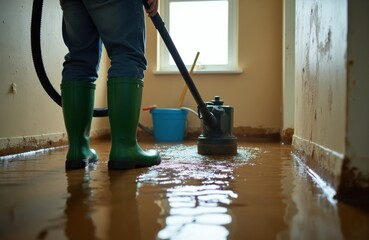
It only takes a small leak or an unexpected flood to turn a comfortable home into a stressful situation. Water spreads quickly, soaking into floors, walls, furniture, and other materials before the damage is even visible. What may seem like a minor problem today can develop into much larger issues if it is not addressed promptly. That is why understanding water damage restoration is important for every homeowner who wants to protect their property and reduce the risk of long-term damage.
Water Damage Restoration Utah is more than simply drying wet surfaces. It is a structured process that focuses on removing water, drying affected materials, cleaning the area, and restoring the property to its original condition whenever possible. Acting quickly can help limit damage, improve the chances of saving materials, and create a safer living environment. Learning how water damage restoration works allows homeowners to make informed decisions when unexpected water damage occurs.
What Is Water Damage Restoration?
Water damage restoration is the process of cleaning, drying, repairing, and restoring a property after it has been affected by unwanted water. The goal is to remove excess moisture, prevent further damage, and return the home or building to a safe and functional condition. The process often begins immediately after water intrusion is discovered because standing water and trapped moisture can quickly spread throughout the property. Fast action helps reduce damage to building materials and personal belongings. Proper restoration focuses on both visible water and hidden moisture that may remain inside walls, floors, and ceilings.
Unlike simple cleanup, water damage restoration involves several carefully planned steps that work together to restore the property. Drying the surface alone may leave moisture trapped beneath flooring or inside wall cavities. If moisture remains, it can weaken building materials and create additional problems over time. A complete restoration process addresses every affected area to help ensure the property is thoroughly dried and restored. This comprehensive approach supports both the appearance and structural integrity of the home.
Common Causes of Water Damage
Water damage can occur for many different reasons, and some situations happen with little warning. Plumbing leaks are one of the most common causes because damaged pipes, loose fittings, or worn connections can allow water to escape into walls, floors, and cabinets. Household appliances that use water, such as washing machines, dishwashers, and water heaters, may also develop leaks as they age. Even a slow leak can gradually cause significant damage if it goes unnoticed for an extended period. Regular inspections help identify potential issues before they become major problems.
Weather related events can also lead to water damage inside a home. Heavy rainfall, roof leaks, overflowing gutters, and poor drainage around the property can allow water to enter the structure. Blocked drains or overflowing sinks and bathtubs may also contribute to indoor flooding. Regardless of the source, any unwanted water should be addressed as soon as possible to reduce the amount of damage. Understanding the common causes allows homeowners to take preventive measures and respond more effectively when problems occur.
The Water Damage Restoration Process
The water damage restoration process usually begins with a thorough inspection of the affected areas. This evaluation helps determine the source of the water, the extent of the damage, and which materials have been impacted. Once the assessment is complete, standing water is removed using specialized equipment designed to extract water efficiently. Removing excess water as quickly as possible helps reduce further damage and prepares the property for the drying stage. Early action is one of the most important factors in successful restoration.
After water extraction, the drying process begins using professional drying equipment and air circulation methods to remove moisture from affected materials. Floors, walls, ceilings, and other surfaces are monitored carefully to ensure they reach appropriate moisture levels. Once the property has been thoroughly dried, cleaning and sanitizing help remove dirt, odors, and contaminants that may have entered with the water. The final stage involves repairing or restoring damaged materials so the property can return to its previous condition. Every step plays an important role in achieving a complete restoration.
Why Fast Response Is Important
Time is one of the most critical factors in water damage restoration. Water begins soaking into porous materials almost immediately, causing wood, drywall, insulation, and flooring to absorb moisture. The longer water remains, the greater the chance that these materials will weaken or require replacement. Prompt action can reduce the overall extent of the damage and improve the likelihood of restoring affected materials instead of replacing them. Responding quickly also helps shorten the overall restoration process.
Fast response also helps minimize secondary damage that can develop after the initial water intrusion. Moisture trapped inside walls or beneath flooring may continue spreading long after standing water has been removed. This hidden moisture can affect structural materials and reduce indoor comfort if left untreated. Early drying and restoration help prevent these issues from becoming more serious. Addressing water damage promptly provides the best opportunity for a successful recovery while protecting the property’s long term condition.
Preventing Future Water Damage
Although not every water damage incident can be avoided, regular maintenance greatly reduces the risk. Inspecting plumbing systems, checking appliances for leaks, and replacing worn hoses or fittings can help prevent unexpected water problems. Keeping gutters clean and ensuring proper drainage around the property also reduces the chance of water entering the home during heavy rainfall. Small maintenance tasks performed regularly often prevent much larger repairs later. Preventive care remains one of the best ways to protect a property.
Homeowners should also pay attention to early warning signs such as water stains, peeling paint, musty odors, or unexplained increases in water bills. These indicators may suggest hidden leaks that require immediate attention. Fixing minor issues before they become major problems can save both time and money. Routine inspections provide peace of mind while helping maintain the overall condition of the property. Staying proactive is an important part of preventing future water damage.
Benefits of Professional Water Damage Restoration
Professional water damage restoration provides advantages that go beyond basic cleanup. Specialized equipment can detect hidden moisture that may not be visible during a normal inspection. Thorough drying helps reduce the risk of additional damage while supporting the long term stability of building materials. Professional restoration also follows a structured process designed to restore the property as completely as possible. This careful approach improves the overall quality of the restoration.
Another important benefit is the ability to address both immediate and long term concerns. Water damage can affect multiple areas of a property at the same time, making a comprehensive restoration process essential. Proper cleaning, drying, and repairs help create a safer and more comfortable living environment. Investing in complete restoration also helps preserve the property’s appearance and value. A well executed restoration project provides lasting results that homeowners can rely on for years to come.
Final Thoughts
Water damage restoration is a comprehensive process that helps restore homes after unexpected water intrusion. By removing standing water, thoroughly drying affected materials, cleaning damaged areas, and completing necessary repairs, restoration helps return a property to a safe and functional condition. Acting quickly is one of the most important steps in limiting damage and improving restoration outcomes. Regular maintenance and early detection of leaks can also reduce the risk of future water related problems. Understanding how water damage restoration works allows homeowners to respond with confidence and protect their property when water damage occurs.
