For many homeowners, the basement is an afterthought—an unfinished space used primarily for storage, seasonal decorations, and forgotten household items. Yet beneath the main living areas of a home lies untapped potential. With thoughtful planning and strategic design, a basement can be transformed from a cluttered storage zone into a vibrant, functional living area that enhances comfort, usability, and property value. Basement Remodeling Contractor is no longer just about adding square footage; it is about redefining how a home serves the evolving needs of modern living.
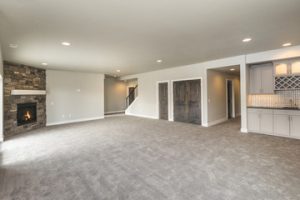
The appeal of a finished basement begins with its versatility. Unlike other areas of the home that often have defined purposes, a basement offers a blank canvas. It can become a family entertainment hub, a home office, a fitness studio, a guest suite, or even a combination of multiple uses. This flexibility makes basement renovation one of the most practical home improvement projects available. When designed correctly, the space integrates seamlessly with the rest of the house while maintaining its own identity and function.
Before beginning any basement transformation, proper assessment is essential. Basements differ significantly from above-ground rooms due to moisture exposure, limited natural light, and structural considerations. Addressing foundational elements such as waterproofing, insulation, ventilation, and electrical upgrades ensures the finished space remains comfortable and durable. Ignoring these factors can lead to long-term issues that compromise both investment and livability. By prioritizing structural integrity at the outset, homeowners create a reliable foundation for design creativity.
Moisture control is arguably the most critical step in basement remodeling. Even minor dampness can damage flooring, drywall, and furnishings over time. Installing vapor barriers, sealing foundation cracks, and improving drainage systems are practical measures that protect the space from water intrusion. Proper insulation not only regulates temperature but also improves energy efficiency throughout the home. Because basements are partially or fully below grade, maintaining consistent climate control enhances comfort while reducing heating and cooling costs.
Lighting plays a transformative role in converting a basement into a functional living area. Natural light is often limited, so strategic artificial lighting design becomes crucial. Recessed lighting, layered fixtures, and strategically placed lamps eliminate shadows and create warmth. Light-colored paint palettes, reflective surfaces, and open floor plans can further enhance brightness. Thoughtful lighting design ensures the basement feels welcoming rather than confined.
One of the most popular basement remodeling goals is creating an entertainment space. A home theater, game room, or lounge area provides a dedicated environment for relaxation and social gatherings. Incorporating sound insulation within walls and ceilings enhances audio quality while minimizing disruption to other areas of the home. Comfortable seating, integrated media storage, and adaptable lighting systems contribute to a professional yet inviting atmosphere. A well-designed entertainment basement can quickly become the centerpiece of family life.
For households with growing families or frequent guests, converting a basement into an additional bedroom suite is a practical solution. Adding a guest room with a private bathroom increases functionality while enhancing resale appeal. When planning this type of renovation, building codes and safety requirements, such as proper egress windows and ventilation, must be carefully considered. Compliance ensures both comfort and security, making the space suitable for long-term use.
Remote work trends have also fueled interest in basement home offices. A quiet, separate workspace supports productivity while maintaining boundaries between professional and personal life. Basement offices benefit from reduced household noise and distractions. Incorporating ergonomic furniture, sufficient lighting, and efficient storage solutions transforms the area into a fully functional work environment. As flexible work arrangements continue to grow, dedicated office space within the home becomes increasingly valuable.
Fitness and wellness spaces are another innovative use of basement square footage. Instead of investing in external memberships, homeowners can design a personal gym tailored to their preferences. Proper flooring, ventilation, and mirror placement are essential components of a functional workout area. Soundproofing considerations ensure exercise routines do not disrupt the rest of the household. By customizing equipment and layout, homeowners create a convenient and motivating fitness environment.
Storage should not be eliminated entirely during a basement transformation; rather, it should be reimagined. Built-in shelving, concealed cabinets, and multi-purpose furniture maintain organization without sacrificing aesthetics. Strategic storage integration prevents clutter from reaccumulating while preserving the functionality of the new living space. The goal is balance—retaining practical storage capacity while elevating overall design.
When planning a basement remodel, homeowners should focus on a structured approach to maximize efficiency and results. Key considerations include:
- Defining the primary purpose of the space before design begins. Whether entertainment, work, fitness, or guest accommodation, clarity of function guides layout and material selection.
- Allocating budget for foundational upgrades first, including moisture control, insulation, and electrical systems, before investing in decorative elements.
Flooring selection is another critical aspect of basement remodeling. Because basements are susceptible to temperature fluctuations and moisture exposure, materials must be durable and resilient. Engineered flooring options, moisture-resistant vinyl, and tile are popular choices that combine aesthetics with practicality. Area rugs can add warmth and texture without compromising durability. Choosing appropriate flooring enhances comfort and ensures longevity.
Ceiling design also contributes to the overall feel of the space. While some basements feature exposed beams and ductwork, others utilize drop ceilings or drywall finishes. An open ceiling with painted structural elements can create an industrial-inspired look, while a finished ceiling offers a more polished appearance. Acoustic panels may be incorporated to improve sound quality, particularly in entertainment or music-focused spaces.
Color palettes significantly influence perception in below-grade rooms. Neutral tones, soft grays, warm whites, and muted pastels create an open and airy atmosphere. Darker shades can be used strategically to add depth or define specific zones. Coordinating wall colors with lighting design ensures the basement feels cohesive and comfortable rather than enclosed.
Technology integration enhances functionality in modern basement renovations. Smart lighting systems, integrated sound equipment, climate controls, and security features contribute to convenience and efficiency. Planning wiring and connectivity during the early stages of remodeling prevents visible cables and reduces future modifications. A technologically equipped basement supports both entertainment and productivity needs.
Budget planning remains a central component of any successful renovation. Costs vary depending on scope, materials, and structural modifications. Homeowners should establish a comprehensive financial plan that includes labor, materials, permits, and contingency funds. Transparent communication with contractors ensures alignment between vision and financial capacity. Phased remodeling may be a practical option for those seeking to spread costs over time while gradually enhancing the space.
Beyond functionality, a finished basement can significantly increase property value. Additional livable square footage appeals to prospective buyers and expands market competitiveness. Multi-purpose designs are particularly attractive, as they demonstrate flexibility for changing lifestyle needs. By investing thoughtfully, homeowners not only improve daily living but also strengthen long-term equity.
Safety should remain a priority throughout the remodeling process. Adequate ventilation, smoke detectors, carbon monoxide alarms, and emergency exits are essential components of a compliant living area. Incorporating these elements ensures the space meets residential safety standards and provides peace of mind.
To further optimize the transformation process, homeowners may consider these additional strategies:
- Utilize open-concept layouts to maintain visual flow and avoid compartmentalization that can make the basement feel smaller.
- Incorporate multi-functional furniture, such as sleeper sofas or expandable tables, to maximize usability within limited square footage.
The emotional impact of a transformed basement should not be underestimated. Creating a comfortable, inviting environment encourages more frequent use and strengthens family interaction. Whether hosting movie nights, accommodating overnight guests, or pursuing personal hobbies, the renovated space becomes an extension of daily life rather than a forgotten storage area.
Sustainability can also be integrated into basement remodeling efforts. Energy-efficient insulation, LED lighting, and responsibly sourced materials reduce environmental impact while lowering operational costs. Sustainable design choices align financial prudence with ecological responsibility, enhancing overall project value.
Ultimately, transforming a basement from storage to entertainment—or any other functional purpose—requires strategic planning, thoughtful design, and attention to structural details. When executed properly, the renovation delivers both immediate enjoyment and long-term financial benefits. Instead of viewing the basement as an underutilized area, homeowners can recognize it as an opportunity for expansion without altering the home’s footprint.
A finished basement represents more than added square footage; it symbolizes adaptability. As lifestyles evolve, homes must adapt accordingly. Whether the goal is increased recreation space, improved work-life balance, or enhanced guest accommodations, a well-designed basement renovation meets these demands efficiently.
By prioritizing structural integrity, functional design, and aesthetic cohesion, homeowners can successfully convert their basements into dynamic living environments. The result is a space that supports relaxation, productivity, and social connection—all while elevating property value. Through careful planning and professional execution, the journey from storage to entertainment becomes a rewarding investment in both comfort and long-term home performance.